
How to get business funding without a track record
No trading history, no collateral, but a real order in hand. How South African SMMEs get funded on the opportunity in front of them rather than their past.
On this page
- Key takeaways
- Why a track record isn't the only route to funding
- How does purchase order funding work?
- What is invoice funding, and how does it help cash flow?
- What makes an SMME fundable?
- Are tenders really a dirty word?
- Does Sourcefin's own track record matter here?
- Ready to see if your opportunity is fundable?
- Frequently asked questions
Business funding without a track record is possible for South African SMMEs. Future-focused funders like Sourcefin assess the opportunity in front of you rather than only your past. If you hold a valid purchase order or an unpaid invoice from a credible end buyer, funding is realistic.
Key takeaways
- A valid purchase order or verified invoice from a credible end buyer is the single most important thing you can bring.
- Perfect credit and collateral are not entry requirements. Risk is assessed across the opportunity, the delivery and the end buyer.
- A past judgment, default or SARS issue is not an automatic no.
- Purchase order funding covers work you still have to deliver. Invoice funding releases cash on work you have already done.
- The document list is short: the order or invoice, and your company registration.
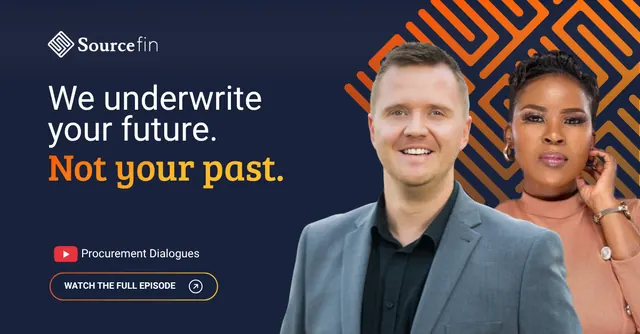
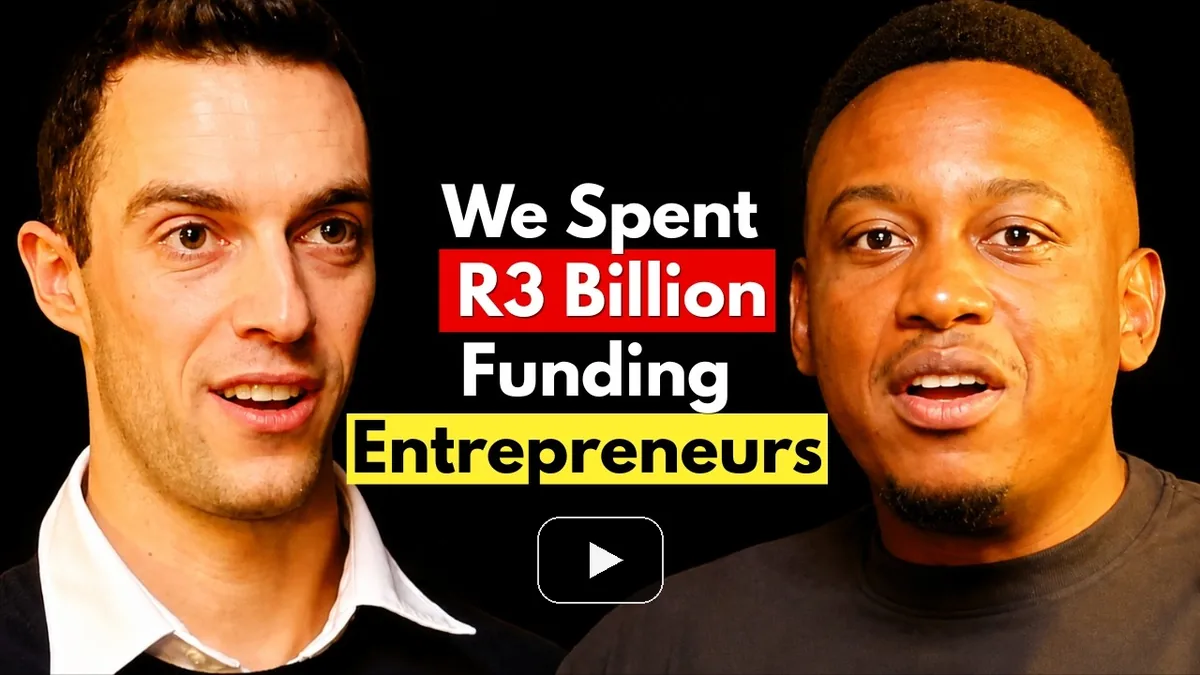
That is the short answer. The longer one is what Sourcefin's Chief Commercial Officer, Jordan Hertz, unpacked with host Henry Gotosa on the Entrepreneurs Chat Podcast – a plain-talk conversation about the state of funding in South Africa, why so many entrepreneurs feel shut out, and what actually gets a business over the line.
Why a track record isn't the only route to funding
There is a common belief, as Jordan puts it, that entrepreneurs simply cannot get funded. The frustration is real, but it usually points at one route rather than the whole map. Traditional lending has its own mandate: it tends to assess a business on where it has been, looking at a few years of financials, affordability and security like property or vehicles. That model suits established businesses, and it exists for good reason.
The catch is what it does to a newer business. Jordan named it directly on the show:
"How do you ever get an opportunity as an entrepreneur to build up that track record when you're not given a chance?"
This is exactly the gap alternative funding for SMMEs was built to close. Instead of looking backwards, Sourcefin looks forward, at the opportunity in front of the business and whether it can be delivered. Sourcefin is a funding partner, not a lender, and that forward-looking lens is what makes funding possible for businesses the traditional route cannot yet serve. If your gap is specifically tender experience rather than funding, our guide to building a tender track record covers how to start without it.
How does purchase order funding work?
Purchase order funding is for a business that has won an order but does not have the cash to deliver it. Say you have a purchase order to supply a million rand worth of goods and it costs R800,000 to fulfil. Sourcefin funds that delivery cost so you can take the work on.
But the funding is only half of it. Sourcefin comes from the supply side, not the finance side. A procurement and project-management team helps check the specs, runs due diligence on your supplier, and taps a network of more than 2,000 pre-vetted suppliers to find the right goods at the right price. Where there are savings on the deal, Sourcefin negotiates them on the client's behalf. There is more detail on the purchase order funding page.
Deals run from a minimum of R250,000 up to R100 million and beyond, from construction contracts to large imports. There is no real ceiling if the opportunity is sound.

What is invoice funding, and how does it help cash flow?
Purchase order funding is for work you still have to deliver. Invoice funding is for work you have already done. You have delivered, you have invoiced, but your customer is on 30, 60 or 90-day payment terms, and in the meantime you still have rent, salaries and suppliers to pay.
With invoice discounting, Sourcefin advances up to 75% of the value of a verified invoice so you are not left waiting on someone else's payment cycle. When your customer pays, the balance is settled. It is a simple way to keep cash moving while a big order works its way through a long payment term. Not every invoice qualifies, and our guide to what invoices qualify for invoice discounting sets out what makes one fundable.
What makes an SMME fundable?
This is where a lot of business owners are surprised. The single most important thing you can bring is a valid, verified purchase order or invoice with a good end buyer, a credible payer in the public or private sector. Get that right and, in Jordan's words, you are about 80% of the way there.
Notice what is not on that list: perfect credit and collateral. Funding without collateral is normal here. Sourcefin secures deals in other ways and assesses risk across the opportunity, the delivery and the end buyer, rather than requiring a house or a vehicle on the line. Character and transparency matter more than a flawless history, and our guide to purchase order funding without collateral explains how those deals are structured.
A past judgment, a default, or a SARS compliance issue is not an automatic no. As Jordan said, everyone has a story, and there are usually real reasons behind the bumps in a business owner's history. Sourcefin would rather understand the full picture, and where it can, help a client sort out something like tax compliance, than close the door. That open-minded approach is central to how SMME funding in South Africa is starting to change.
The document list is deliberately short: the purchase order or invoice, the company registration document from CIPC, and enough to get started. No laundry list.
Are tenders really a dirty word?
Tenders have picked up a bad reputation, and Jordan is blunt that it is unfair. For every story that makes the news, there are countless tenders awarded properly to entrepreneurs doing real work: fixing water infrastructure, getting generators to a school, moving communities from analogue to digital. Stripped of the noise, a tender is a straightforward thing:
"A tender is a promise of future payment with funds that are set aside, ready to be paid to you if the goods or service are delivered with the right specs, in the right amount of time."
That is why purchase order funding fits tenders so well. It funds against that promise of payment on delivery. If you want to find the right work to bid for, Sourcefin's free TenderCentral platform aggregates government tenders in one place so you can filter by industry, province and keyword, then favourite the ones that fit and get reminders on what to submit and when. The advice from the show is simple: find your niche and go deep on two or three industries you actually understand, rather than chasing everything.
Does Sourcefin's own track record matter here?
It does, because it is the proof that this model works. Since 2020 Sourcefin has deployed more than R3 billion to over 2,000 SMMEs across South Africa. It was the first-ever winner of the NSBC National Funder Award in January 2026, and drew a R150 million investment from Futuregrowth Asset Management to put back into the sector.
But the number Jordan is proudest of is not the rand figure. It is a 100% delivery rate on funded deals: schools built, goods imported, infrastructure fixed. And the growth that record unlocks is the real story. Sourcefin has started a client on a R250,000 order and, a year later, funded that same business on multi-million rand orders, sometimes within hours, because the relationship and the understanding were already there.
That is what "funding is possible" actually means. Not a favour, and not a gamble, but a partner backing a real opportunity so a capable business can deliver on its promise.
Ready to see if your opportunity is fundable?
If you have a purchase order to deliver or an unpaid invoice from a credible customer, that is the starting point. Sourcefin will tell you quickly whether it can help, and if not yet, what would get you there.
Won the order? Get the capital. Apply for funding and find out where you stand.
Sources & references
- Jordan Hertz on the Entrepreneurs Chat Podcast with Henry Gotosa – the full episode this article draws on.
- Futuregrowth Asset Management – the investor behind the R150 million commitment to Sourcefin.
- National Small Business Chamber – awarding body for the National Funder Award.
- South African Revenue Service – tax compliance for business owners.
- Companies and Intellectual Property Commission – company registration documents.
Frequently asked questions
Can you get business funding without a track record in South Africa?
Yes. South African SMMEs can get business funding without a track record. Future-focused funders like Sourcefin look at the opportunity in front of you, not only your past. If you hold a valid purchase order or an unpaid invoice from a credible end buyer, funding is realistic.
What is purchase order funding and how does it work?
Purchase order funding covers the cost of delivering an order you have already won but cannot yet afford to fulfil. Sourcefin funds the delivery cost, vets your supplier, and helps source the right goods at the right price, so you can take the work on and get paid.
How does invoice funding help with cash flow?
Invoice funding for cash flow releases money tied up in unpaid invoices. When a customer is on 30 to 90-day terms, Sourcefin advances up to 75% of a verified invoice's value so you can pay rent, salaries and suppliers now, then settles the balance once your customer pays.
Can I get funding with a judgment, default or SARS issue?
Often, yes. A past judgment, default or tax issue is not an automatic no. Sourcefin looks at the full picture, the opportunity, the end buyer and your character, rather than only your credit history, and getting funding-ready can even include help sorting out tax compliance.
What documents do I need to apply for funding?
Very few. The essentials are a valid, verified purchase order or invoice with a good end buyer, and your company registration document. A strong order with a credible payer gets you most of the way there. There is no long laundry list of documents required to start.
How much funding can an SMME get from Sourcefin?
Sourcefin funds deals from a minimum of R250,000 up to R100 million and beyond, across almost any industry. What matters is not the size but the opportunity: a valid order or invoice, a credible end buyer, and a business that can deliver on the work.

Sourcefin is a South African alternative finance provider that offers purchase order funding and invoice discounting to SMMEs, enabling businesses to fulfil confirmed purchase orders or tenders and unlock cash flow without collateral. Unlike traditional lenders or banks, Sourcefin also provides end-to-end support including supplier sourcing, logistics, project management, and risk oversight.